Speech sounds and apraxia
Speech sounds and childhood apraxia of speech
If your child talks plenty but few people understand them, I can find out why. I assess speech sound disorder and childhood apraxia of speech, and I am trained in PROMPT technique.
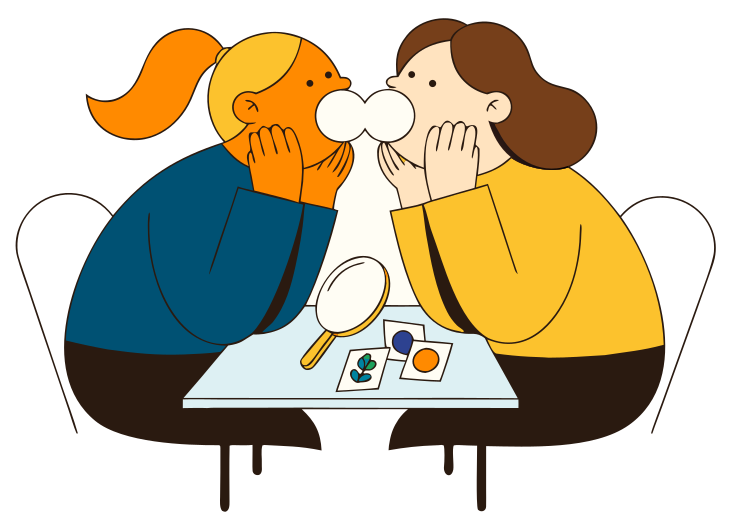
Why is my child hard to understand?
Children's speech sounds develop in stages, and mistakes are normal when they are small. A two year old who says "tat" for "cat" is doing what many two year olds do. The worry begins when the errors do not shift, when strangers cannot follow your child by the age you would expect, or when your child gets upset at not being understood.
There are a few different reasons. Some children have a pattern in how they simplify sounds, called a phonological difficulty. Some have trouble with the movements of the mouth, and some have both. I use tools such as the South Tyneside Assessment of Phonology to see what is happening, and I look at how your child uses their mouth, voice and breath.
What is apraxia?
Childhood apraxia of speech is a difficulty with planning and sequencing the movements speech needs. The child knows what they want to say; the message does not reach the mouth in the right order.1 It can look like inconsistent errors, an uneven rhythm, trouble with longer words, and speech that sounds effortful. No single sign settles it, which is why I look at the whole picture.2 It is one reason a child's mouth can seem not to cooperate.
I can identify signs of apraxia and say what I think, but some children will need a medical or other team involved, and I will tell you if so.3
What might you be noticing?
- Family can follow your child, but nursery staff, relatives and strangers cannot.
- They say the same word differently each time, or the sounds seem to move around.
- Longer words come out in short pieces, or they leave out sounds at the start or end.
- They have started to avoid speaking, or get cross when people ask them to repeat things.
- Their speech sounds slow or effortful, with lots of searching movement of the mouth.
- They were slow to babble or say first words, and their speech is still hard to follow.
What is PROMPT, and how do you work?
Assess how speech is made
I listen to the sounds your child can make and watch how their mouth, jaw and lips move. If other areas, like language or hearing, may play a part, I say so.
Practise in short, playful bursts
Speech sounds need regular practice, and children with complex difficulties such as apraxia usually need more therapy for longer, often in blocks with breaks between.3 I keep sessions to short, playful bursts. We use games, books and toys to practise the sounds that matter most to your child, usually starting with words they want to say.
Use touch cues if they help
PROMPT is a technique where the therapist gives light touch cues on the face and jaw to guide movements for speech. The research on it is still limited: one randomised trial of 49 children with severe speech motor delay found gains in speech motor control and word-level clarity after ten weeks, compared with a waiting list.4 I treat it as one option, not a proven fix. I completed the 18-hour Introduction to PROMPT: Technique with the PROMPT Institute in 2025. I only use it when it suits a child, and always ask first, since some children dislike touch.
If chewing, dribbling or mouth control is part of the picture, see oral motor skills. If you are not sure what an assessment involves, the guide to what happens at a speech assessment walks through it.
I give you practice to do at home, but it should stay short and fun. If your child is fed up, we stop.
A child who is hard to understand usually knows exactly what they are saying, and the rest of us need to catch up.
What does it cost?
The free 15-minute call is where we start. Assessment is £270, a written report is £95 extra, and therapy is £85 an hour. A block of eight sessions is £680. You will find the details on the fees page, or send me a message.
- Free15-minute call
- £270Assessment
- £85Therapy, per hour
More on the fees page.
Questions parents ask
Is it apraxia or a speech delay?
They can look alike. Apraxia is about planning mouth movements, while a delay or phonological difficulty is about patterns in sounds. An assessment is the way to tell, and sometimes it takes a few sessions to be sure.
Do you use PROMPT with every child?
No. I am trained in PROMPT technique and use it only where I think it will help and your child is comfortable with touch. Plenty of children benefit from other approaches.
My child's speech is hard to follow but they are only three. Should I wait?
It is reasonable to ask. If strangers cannot follow most of what your child says by three, or your child is getting frustrated, a conversation costs nothing. The free call is for exactly that.
Is it a problem with their tongue or teeth?
Occasionally, but not usually. I check how the mouth moves, and if I think a dentist or doctor should look, I will suggest it.
References
Sources checked on 18 October 2026.
- American Speech-Language-Hearing Association. (2007). Childhood apraxia of speech [Position statement]. https://www.asha.org/policy/ps2007-00277/ ↩
- American Speech-Language-Hearing Association. (2007). Childhood apraxia of speech [Technical report]. https://www.asha.org/policy/tr2007-00278/ ↩
- Royal College of Speech and Language Therapists. (n.d.). Clinical information on speech sound disorders. https://www.rcslt.org/speech-and-language-therapy/clinical-information/speech-sound-disorders/ ↩ ↩
- Namasivayam AK, Huynh A, Granata F, et al. (2021). PROMPT intervention for children with severe speech motor delay: a randomized control trial. Pediatric Research, 89(3), 613–621. https://doi.org/10.1038/s41390-020-0924-4 ↩
Other things I help with
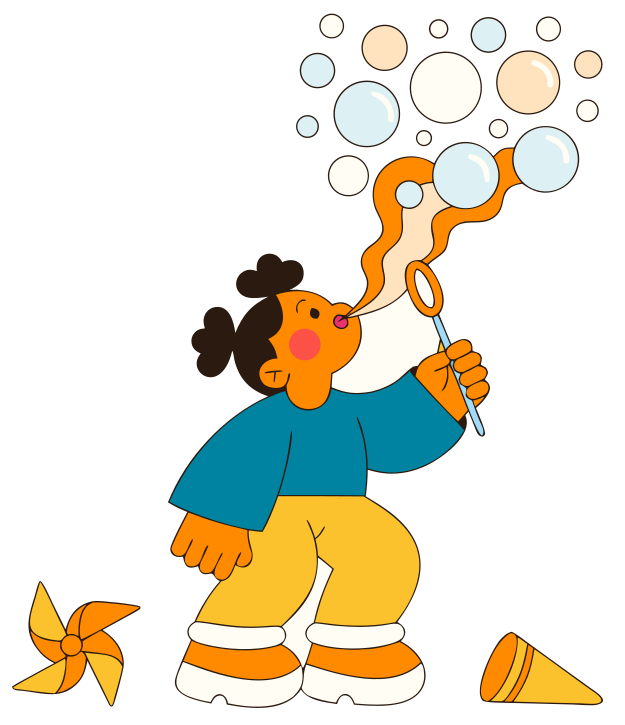
Oral motor skills
Dribbling, chewing and mouth control that affect speech and eating.
Read more about Oral motor skills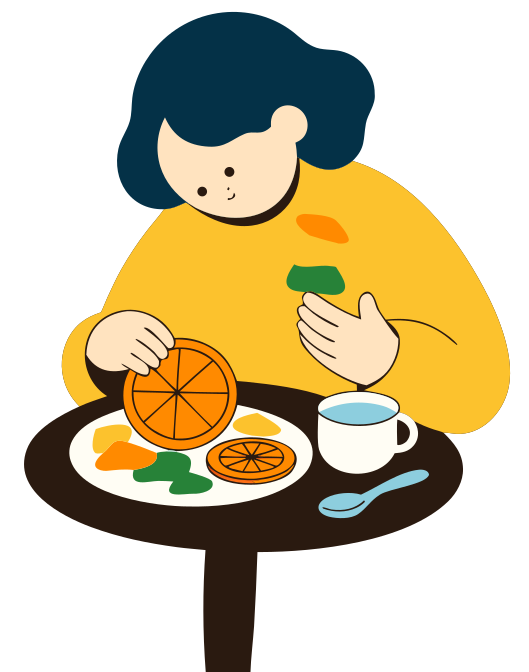
Feeding
Gagging, texture worries and a very small range of foods.
Read more about Feeding
Language and communication
Children who are slow to talk, put few words together or find instructions hard.
Read more about Language and communication
Is your child hard to understand?
Book a free call. I will tell you whether an assessment would help.